
1. Introduction to SpyFu vs SEMrush
Overview of SpyFu and SEMrush
In the digital marketing world, SEO tools play a pivotal role in helping businesses improve their search engine rankings and drive organic traffic. Two of the most popular SEO tools that marketers frequently compare are SpyFu vs SEMrush. Both platforms offer comprehensive solutions for keyword research, competitive analysis, backlink tracking, and SEO reporting. However, while they share similar functionalities, each tool brings unique strengths and weaknesses to the table.
SpyFu is known for its detailed competitor analysis, especially in uncovering competitors’ paid and organic keywords, ad spend, and backlink strategies. It’s particularly valuable for small businesses and agencies that want insights into competitor activities without breaking the bank. On the other hand, SEMrush is a more robust, all-in-one marketing platform that not only focuses on SEO but also includes features for PPC, social media management, and content marketing.
Purpose of this SpyFu vs SEMrush Comparison
This comparison of SpyFu vs SEMrush aims to help businesses, agencies, and marketing professionals choose the right tool for their SEO and digital marketing needs. We’ll take an in-depth look at the features, pricing, pros and cons, and real-world applications of each tool to determine which one offers the best value and utility for different user scenarios.
2. SpyFu vs SEMrush: Pros and Cons
At-a-Glance Pros and Cons of SpyFu vs SEMrush
SpyFu Pros:
- Excellent competitive analysis for both organic and paid search strategies.
- Historical data access, allowing users to see how competitors’ strategies have evolved.
- Affordable pricing compared to many other SEO tools.
- Unlimited searches on all plans.
SpyFu Cons:
- The interface can be a bit clunky and outdated.
- Fewer tools for social media or content marketing.
- Limited in-depth keyword research compared to SEMrush.
SEMrush Pros:
- Comprehensive all-in-one tool with SEO, PPC, content marketing, and social media management features.
- Extensive keyword research and tracking capabilities.
- Strong integration with Google tools (Analytics, Search Console, Ads).
- Powerful backlink analysis and site audit functionalities.
SEMrush Cons:
- Higher pricing, especially for small businesses or freelancers.
- Some features, such as advanced reporting, are limited to higher-priced plans.
- The tool can be overwhelming due to its wide range of features.
Detailed Analysis of SpyFu Pros and Cons
SpyFu excels in providing in-depth competitor insights, especially when it comes to PPC campaigns. With SpyFu, users can easily track which keywords competitors are ranking for, their ad spend on Google Ads, and even access historical data to spot trends. This makes it an excellent choice for agencies or businesses that want to understand their competitors’ SEO and paid search strategies.
However, SpyFu’s interface is less polished than SEMrush, and the platform lacks some of the advanced keyword research and content marketing features that SEMrush offers. It’s more focused on competitive research and might not be the best option for users who need a broader marketing solution.
Detailed Analysis of SEMrush Pros and Cons
SEMrush stands out for its versatility. Beyond SEO, it’s packed with tools for managing content marketing, running PPC campaigns, and tracking social media performance. Its ability to provide in-depth keyword research, track rankings, and audit websites makes it a top choice for large agencies or businesses with multiple marketing channels.
However, SEMrush’s comprehensive feature set comes at a price. For smaller businesses or those on a budget, the cost might be prohibitive. Additionally, the sheer volume of features can make it difficult to learn and navigate the platform, especially for users who are new to SEO.
3. SpyFu vs SEMrush: Key Features and Services
Competitive Analysis
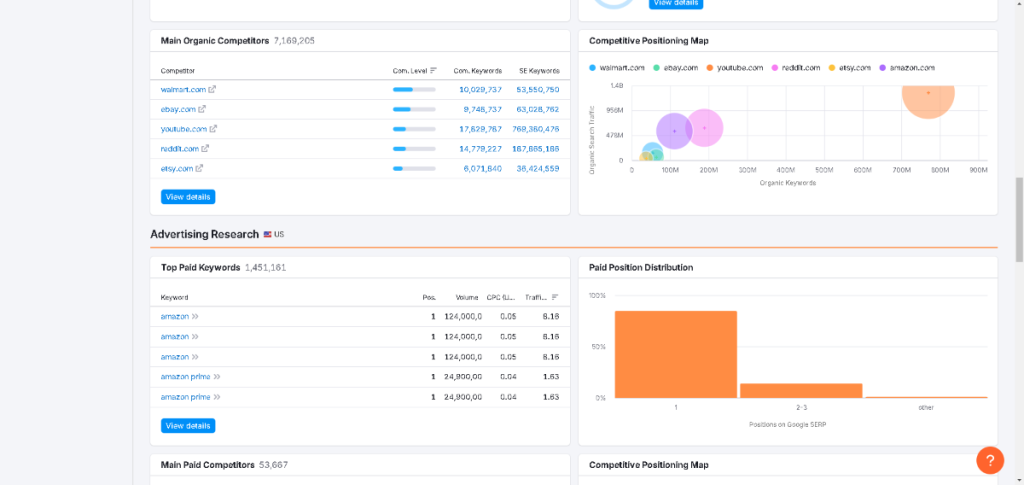
In terms of competitive analysis, both SpyFu vs SEMrush shine but with different approaches. SpyFu focuses heavily on revealing competitor data, including historical keyword rankings, ad spend, and backlinks. SEMrush, on the other hand, offers a more well-rounded competitive analysis toolset, allowing users to see not only SEO and paid search data but also content marketing, social media, and PPC data.
- SpyFu provides easy-to-access historical data, making it ideal for tracking long-term competitor performance.
- SEMrush offers broader coverage of competitor activities, including traffic analysis and content performance, which makes it a stronger option for users needing a holistic view.
Keyword Research
When it comes to keyword research in SpyFu vs SEMrush, SEMrush is the superior tool for both depth and breadth. SEMrush’s keyword magic tool provides vast amounts of data on keyword volume, trends, difficulty, and CPC, allowing users to optimize their content strategies efficiently.
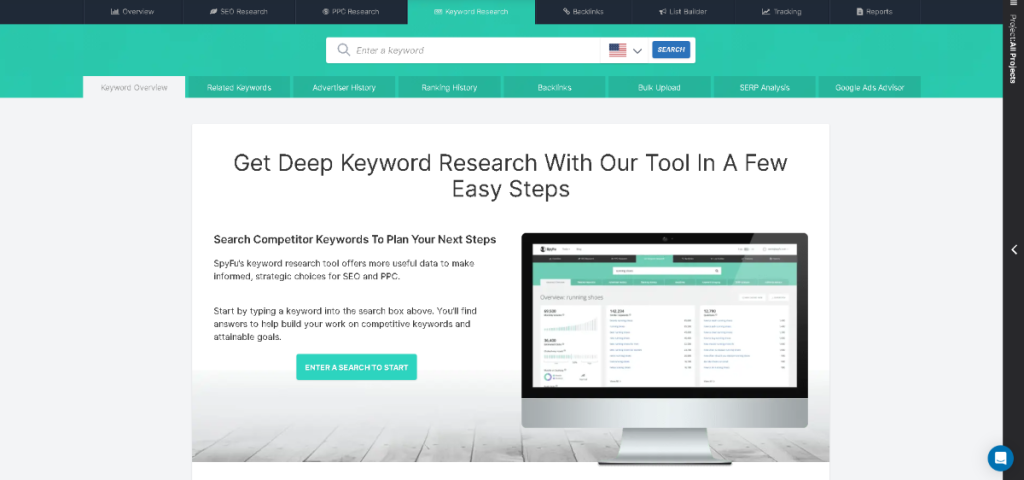
SpyFu offers competitive keyword insights and provides a decent keyword tool for uncovering keywords that competitors are ranking for, but its database is not as extensive as SEMrush’s.
- SpyFu is more focused on uncovering competitors’ keywords rather than providing extensive keyword research tools for new keyword discovery.
- SEMrush offers extensive keyword data that helps with SEO, content strategy, and PPC campaigns.
Backlink Analysis
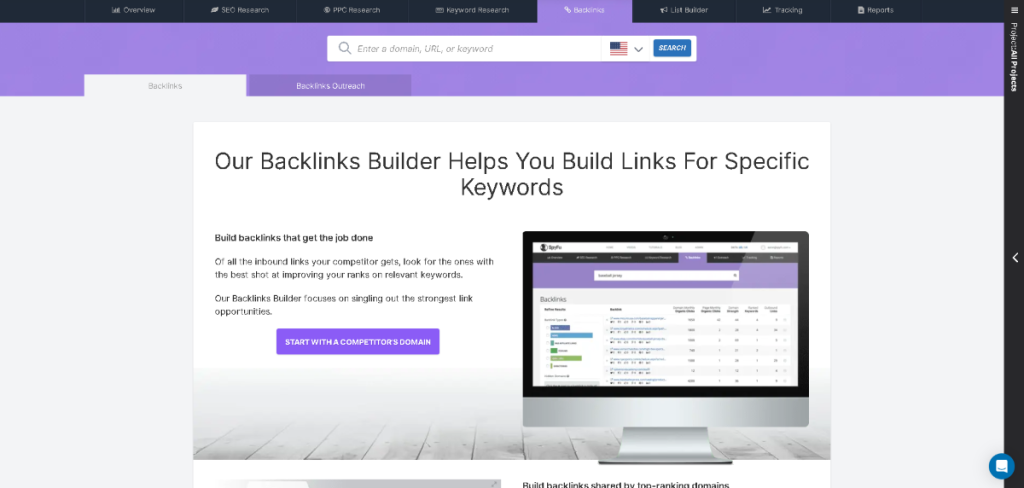
Both SpyFu vs SEMrush provide tools for backlink analysis, but SEMrush again has the edge with more detailed and actionable insights.
- SpyFu provides backlink tracking primarily for competitive analysis, showing where competitors are getting their links from.
- SEMrush offers a more comprehensive backlink audit tool that allows users to track backlinks, disavow toxic links, and compare backlink profiles.
Site Audits
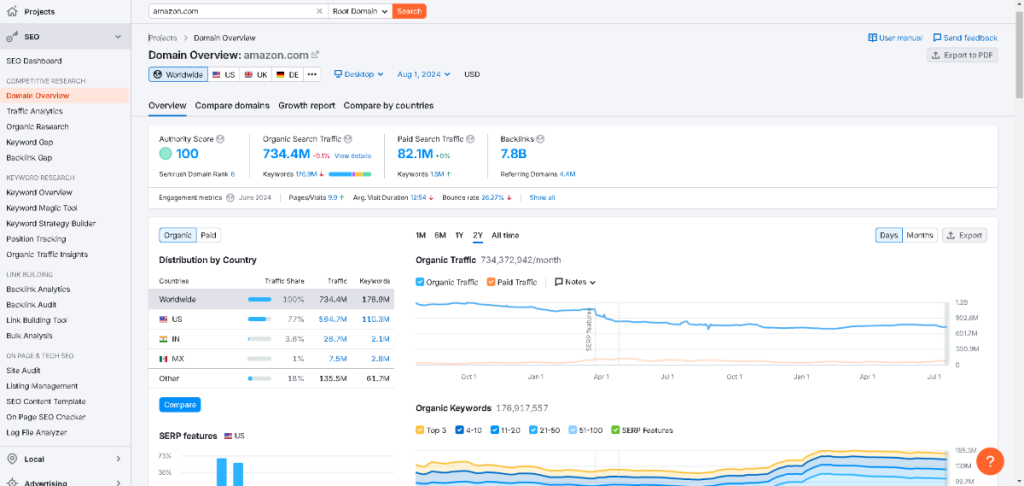
When it comes to site audits, SEMrush is hands-down the more powerful tool. Its site audit feature scans websites for over 130 potential issues, from crawlability and HTTPS implementation to meta descriptions and image optimization. SpyFu lacks a dedicated site audit tool, making it less useful for technical SEO improvements.
Reporting and Custom Dashboards
Both SpyFu vs SEMrush offer reporting features, but SEMrush takes it a step further with customizable dashboards, automated reports, and white-label reporting for agencies. SpyFu’s reporting is simpler and less customizable, making it a less attractive option for agencies that need to deliver detailed client reports.
4. SpyFu vs SEMrush: User Experience
SpyFu User Experience
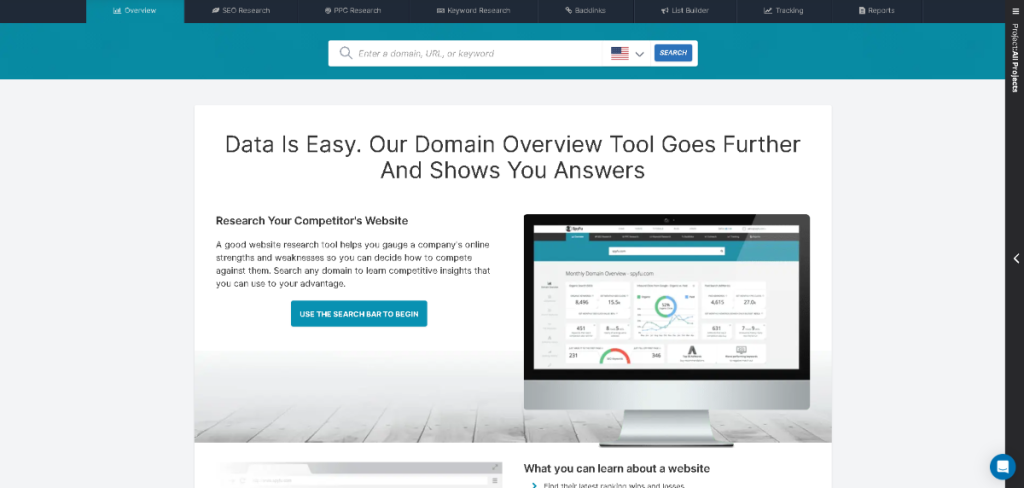
SpyFu is straightforward and focuses primarily on competitive research. The platform allows users to quickly search for competitor data, making it highly efficient for those who need competitor insights without a steep learning curve. However, the design and interface could use an update, as it feels a bit outdated compared to SEMrush’s polished interface.
SEMrush User Experience
SEMrush, while more complex, offers a sleek and modern interface that caters to users looking for an all-in-one marketing tool. The downside is that the platform’s multitude of features can make it overwhelming for new users, and it requires some time to navigate effectively. SEMrush offers an extensive knowledge base and customer support resources, which help mitigate the complexity.
5. SpyFu vs SEMrush: Pricing and Plans
SpyFu Pricing Overview
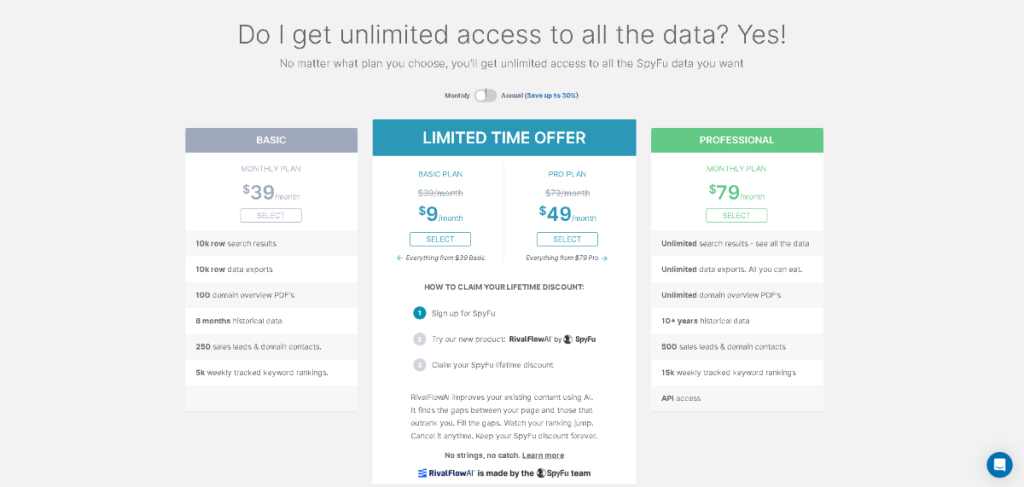
SpyFu offers three primary pricing plans:
- Basic Plan: Priced at $39 per month, this plan is great for freelancers and small businesses looking to track a few competitors and perform keyword research.
- Professional Plan: At $79 per month, this plan offers additional features such as historical data and extended keyword tracking.
- Team Plan: Priced at $299 per month, this plan is tailored for agencies needing more robust data tracking and competitor analysis tools.
SEMrush Pricing Overview
SEMrush’s pricing is on the higher end but reflects the platform’s comprehensive features:
- Pro Plan: Priced at $129.95 per month, this plan is suitable for freelancers and startups with basic SEO needs.
- Guru Plan: At $249.95 per month, this plan offers additional features such as content marketing and extended reporting.
- Business Plan: Priced at $499.95 per month, this plan is ideal for agencies and large companies managing multiple websites.
Value for Money
In terms of value, the SpyFu vs SEMrush comparison heavily depends on the user’s needs. For businesses focused solely on competitive analysis and basic keyword research, SpyFu offers a budget-friendly solution. However, SEMrush is the superior choice for users seeking a comprehensive, all-in-one platform with more advanced SEO, PPC, and marketing tools.
6. SpyFu vs SEMrush: Competitor Comparison
SpyFu vs Ahrefs
In comparing SpyFu vs Ahrefs, Ahrefs is the superior tool for backlink analysis and site audits, but SpyFu remains a strong competitor in terms of pricing and competitive analysis. Ahrefs is more expensive and suited for users focused on link building and technical SEO.
SEMrush vs Serpstat
When comparing SEMrush vs Serpstat, SEMrush offers a more comprehensive toolset, ideal for managing SEO, PPC, content marketing, and social media across multiple channels. Serpstat, on the other hand, is a more budget-friendly solution with solid keyword clustering and competitor analysis features, making it a great option for small businesses and startups.
SEMrush vs Ahrefs vs Moz vs Ubersuggest
When comparing SEMrush, Ahrefs, Moz, and Ubersuggest, SEMrush stands out for its all-in-one capabilities beyond SEO, including PPC and content marketing tools. Ahrefs excels in backlink analysis and technical SEO, making it perfect for users focused on link building. Moz is known for its simplicity and user-friendliness, ideal for beginners, while Ubersuggest provides an affordable solution with essential SEO features, suited for users on a tighter budget.
7. SpyFu vs SEMrush: Real-World Applications
Case Study: A Small Business’s Success with SpyFu
A small eCommerce business utilized SpyFu to analyze competitor keyword strategies, allowing them to optimize their ad campaigns effectively. As a result, they achieved a remarkable 25% increase in organic traffic and a 20% rise in conversion rates within three months. Read more here.
Case Study: SmileWorks’ Growth with SEMrush
SmileWorks, a dental practice, implemented SEMrush’s tools to enhance their online presence and attract new patients. By utilizing SEMrush’s SEO features, they improved their website’s visibility, leading to a significant increase in patient inquiries and overall engagement. Read the full story here.
Case Study: TotalEnergies’ Strategic Marketing with SEMrush
TotalEnergies adopted SEMrush to streamline its marketing efforts across multiple channels. By leveraging the platform’s comprehensive analytics and reporting tools, they improved campaign performance and significantly increased their return on investment. Learn more about their experience here.
Conclusion: SpyFu vs SEMrush – Which Should You
Choose?
Choosing between SpyFu vs SEMrush ultimately depends on your business needs and budget. SpyFu is ideal for businesses and agencies focused on competitive analysis and who need an affordable solution. SEMrush, on the other hand, is the go-to platform for marketers looking for a comprehensive, all-in-one tool to handle SEO, PPC, content marketing, and social media management.
For small businesses or agencies looking to track competitors without the need for advanced SEO or content marketing tools, SpyFu is the better choice. However, for larger agencies and businesses with broader marketing needs, SEMrush’s robust features make it the superior option.
FAQ
Is SpyFu better than SEMrush for small businesses?
SpyFu is a better option for small businesses with limited budgets that need competitor insights and basic keyword research.
Does SEMrush offer a free trial?
Yes, SEMrush offers a 7-day free trial for users to explore its features before committing to a paid plan.
Can you use SpyFu and SEMrush together?
Yes, many agencies use both tools in tandem to maximize their SEO and PPC strategies.